Gravel Pavers: Stabilized, Permeable Gravel Surfaces
What gravel pavers are and how they keep gravel firm and contained
Gravel pavers are reinforcement grids that stabilize a gravel surface so it stays firm, level, and contained instead of rutting, scattering, and migrating under traffic. NDS EZ Roll Gravel Pavers are a roll-out honeycomb system, made from 100 percent recycled material, that holds gravel in place while reducing erosion and surface runoff, an attractive, sustainable alternative to concrete or asphalt.

What are gravel pavers?
Loose gravel is cheap and permeable, but it shifts: it ruts under tires, scatters off the edges, and migrates downhill, leaving bare spots and uneven ground. Gravel pavers fix that. The grid of cells confines the gravel so each cell holds its stone in place, keeping the surface level and firm while preserving the permeability and look of gravel. The grid carries the load; the gravel fills and finishes the surface.
How gravel pavers work
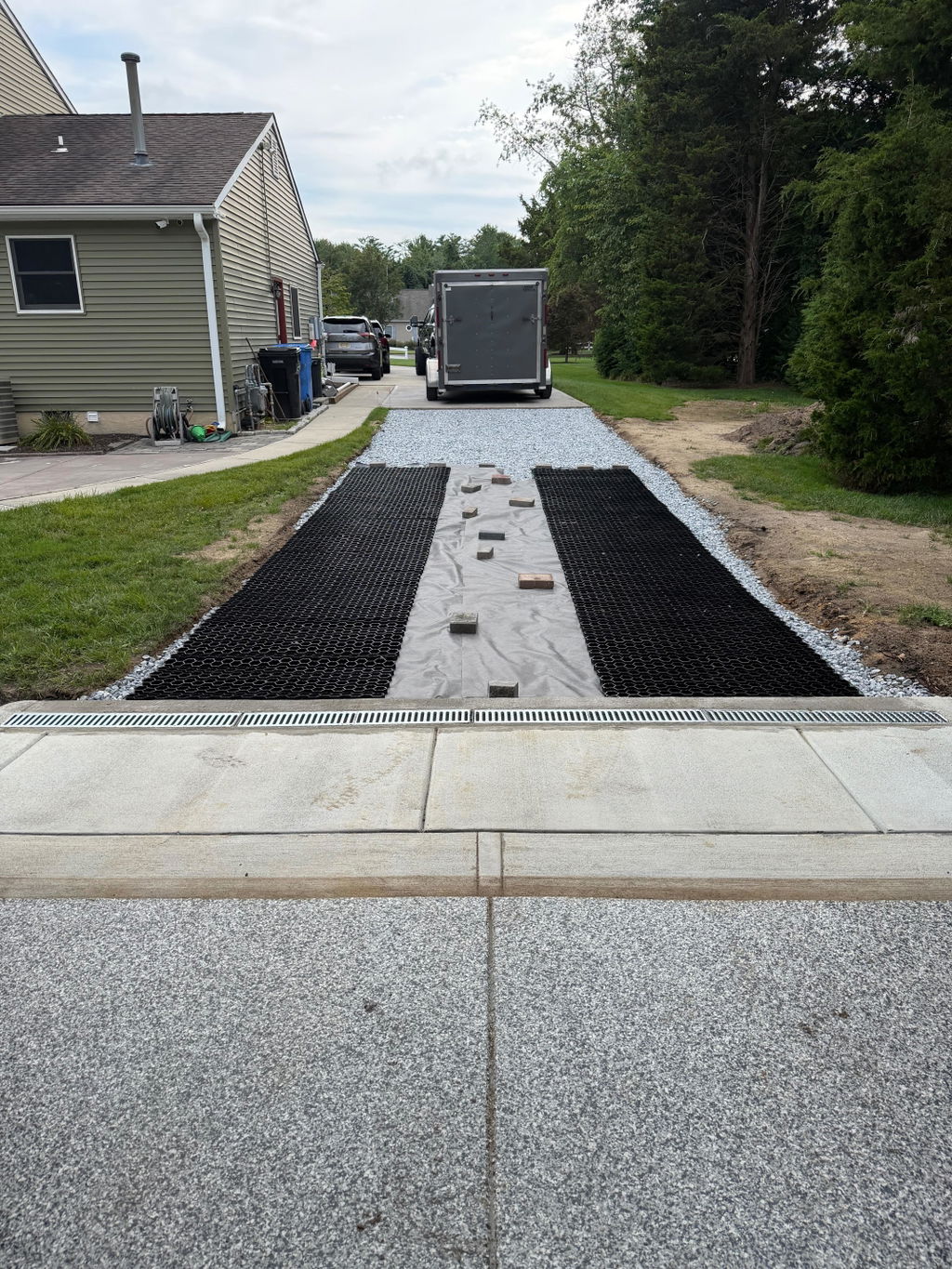
EZ Roll Gravel Pavers unroll over a compacted, free-draining base and are filled with gravel. The honeycomb cells transfer vehicle loads to the base and laterally contain the gravel so it cannot rut or migrate. Water passes freely through the gravel and the open structure into the base below, so the surface drains rather than shedding runoff. Stakes are included to secure the pavers during installation.

Why use gravel pavers
- No rutting or scatter: the cells hold the gravel firm and level under traffic.
- Erosion control: contained gravel does not wash or migrate, reducing erosion.
- Permeable: water drains through, minimizing runoff.
- Sustainable: made from 100 percent recycled material.
- Attractive: a clean, stable gravel surface as an alternative to asphalt or concrete.
Where gravel pavers are used
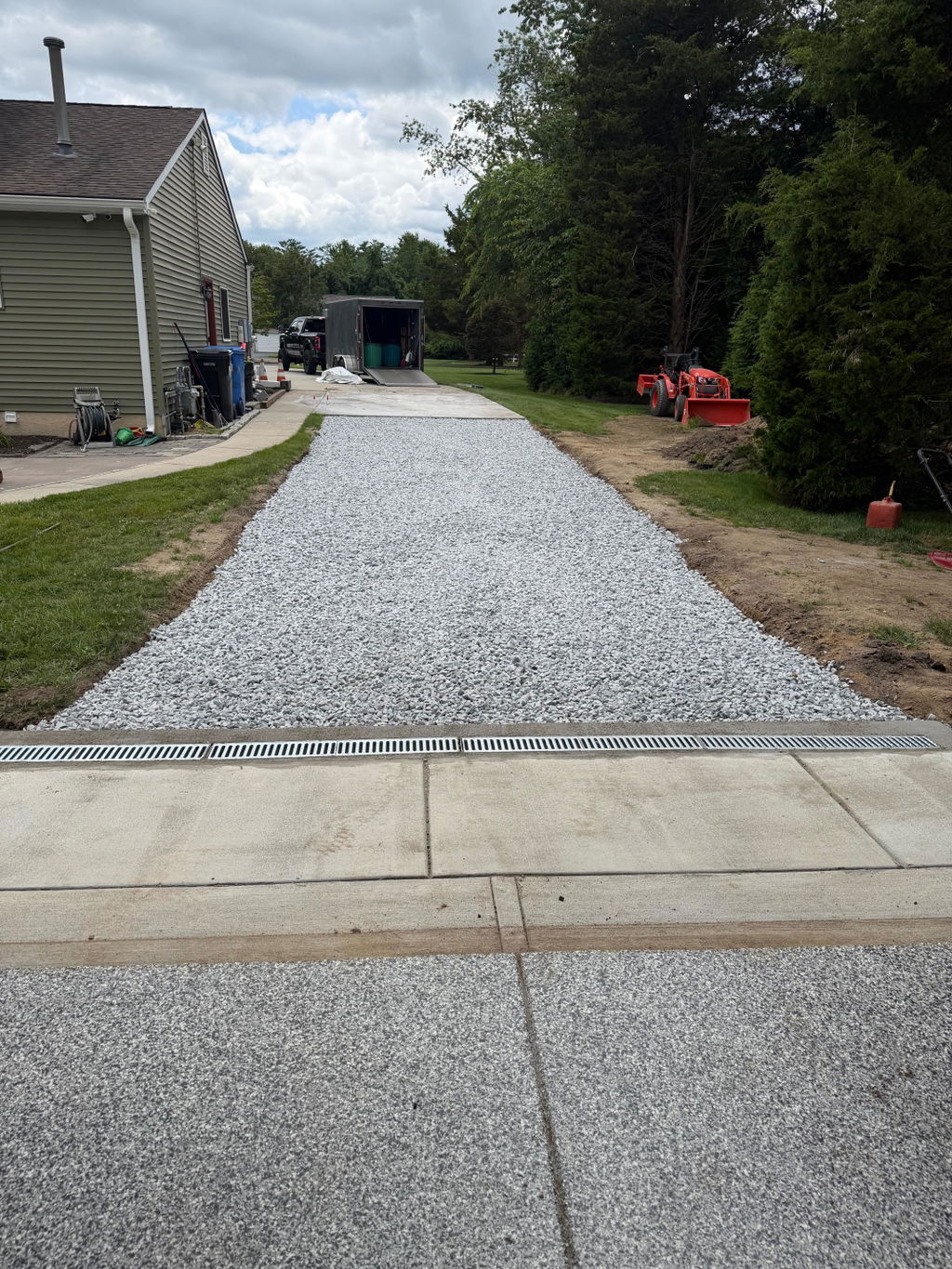
Gravel pavers suit gravel driveways, parking areas and overflow lots, paths and trails, and access roads, anywhere a stable, permeable gravel surface is wanted without rutting and migration. EZ Marker delineators can clip in to mark lanes and stalls, and for a green surface instead of gravel, the EZ Roll Grass Paver is the companion product.
Installation: base prep and steps
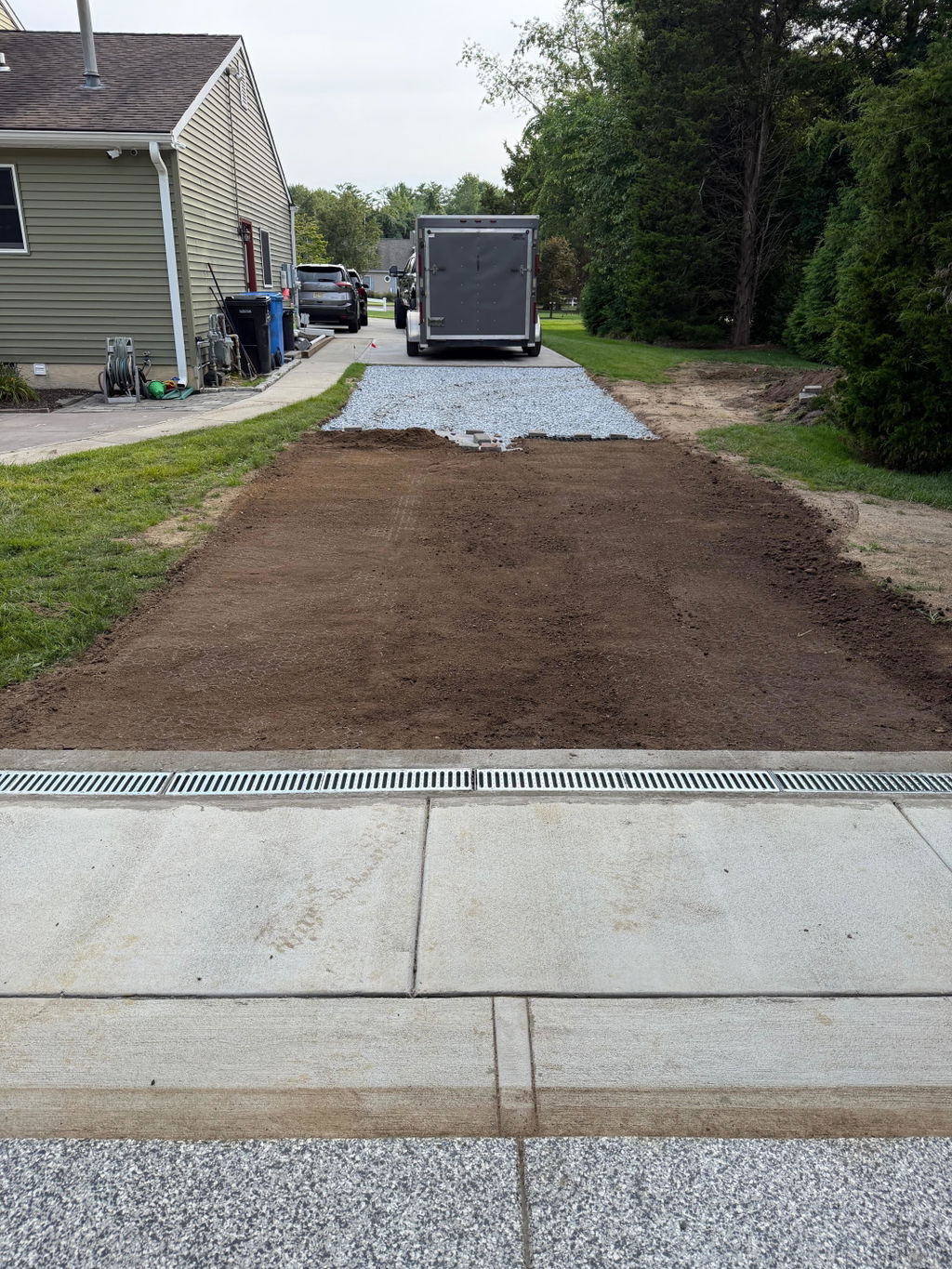
NDS EZ Roll Gravel Pavers install much like the grass version, but the rolls go down fabric-side-down and the cells are filled with gravel instead of soil and grass. A typical sequence:
- Prepare and compact the base. Excavate and place a free-draining aggregate base; base course thickness depends on the native soil and the anticipated wheel loads. Compact the base with one to three passes of a 5-ton steel wheel roller or equivalent.
- Consult a geotechnical engineer for weak soils. For poor subgrades (CBR under 5 percent or R-value under 10), NDS recommends the engineer of record consult a geotechnical engineer about soil modification and compaction.
- Roll out fabric-side-down. The pavers come with a thermally welded geotextile (Typar) fabric that prevents gravel from migrating downward and is porous for stormwater. Lay one roll first, then pull the edge of the adjacent roll snug against it and connect the lateral snap locks.
- Leave clearance and stake. Leave a 1 inch minimum clearance between the pavers and fixed objects or structures, and stake per the recommended pattern (stakes are included).
- Fill with gravel. Fill the cells with gravel to finish the surface; the cells confine the stone so it cannot rut or migrate.
Load and durability specs
For context on why the base matters, the EZ Roll pavers have an unfilled compressive strength in the range of about 53,683 to 57,890 psf and are rated to support H-20 and H-25 vehicle loads, with a life expectancy around 25 years when well maintained. Each paver weighs about 2.31 pounds and is made of HDPE with UV inhibitors. Those load ratings assume a properly prepared and compacted base, which is why the base-prep steps above are not optional.
Not sure which product fits your site? Use the Permeable Paver Selector, our free interactive tool under the Resources menu, to answer a few plain-language questions and get matched to the right NDS grass or gravel paver system and size for your project.
Shop NDS Gravel Pavers
Recycled EZ Roll Gravel Pavers that stop rutting and erosion, with free shipping.
Shop NDS Grass and Gravel PaversUse the Paver SelectorFrequently Asked Questions
What are gravel pavers?
Gravel pavers are reinforcement grids that stabilize a gravel surface so it stays firm, level, and contained instead of rutting, scattering, and migrating under traffic. The grid confines the gravel in cells while carrying the load.
How do gravel pavers work?
EZ Roll Gravel Pavers unroll over a compacted base and are filled with gravel. The honeycomb cells transfer vehicle loads to the base and laterally contain the gravel so it cannot rut or migrate, while water drains freely through.
Do gravel pavers stop gravel from rutting and scattering?
Yes. That is their main purpose. The cells confine the gravel so each holds its stone in place, keeping the surface level and firm under traffic instead of forming ruts and bare spots.
Are NDS gravel pavers sustainable?
Yes. NDS EZ Roll Gravel Pavers are made from 100 percent recycled material, and the permeable surface reduces erosion and runoff, making them an attractive, sustainable alternative to concrete or asphalt.
Where are gravel pavers used?
They suit gravel driveways, parking and overflow lots, paths and trails, and access roads, anywhere a stable, permeable gravel surface is wanted without rutting and migration.
What base do NDS grass pavers need?
NDS EZ Roll Grass Pavers need a compacted, free-draining aggregate base directly below them. Longview product guidance calls for a 4 to 6 inch aggregate base (NDS suggests AASHTO #57 stone or equivalent), placed in lifts not exceeding 6 inches and compacted to a minimum of 95 percent Modified Proctor. Without an adequate base, the pavers can punch into soft ground.
How are NDS EZ Roll pavers anchored?
Each grass paver roll ships with 40 stakes, 12 inch by 3/8 inch galvanized (NDS part GPSTAKE), installed on a recommended staking pattern, and edge restraints are used at borders to prevent creep. Gravel paver rolls also include stakes and are laid fabric-side-down with the lateral snap locks connected.