Questions?
(800) 621-5381
(800) 621-5381
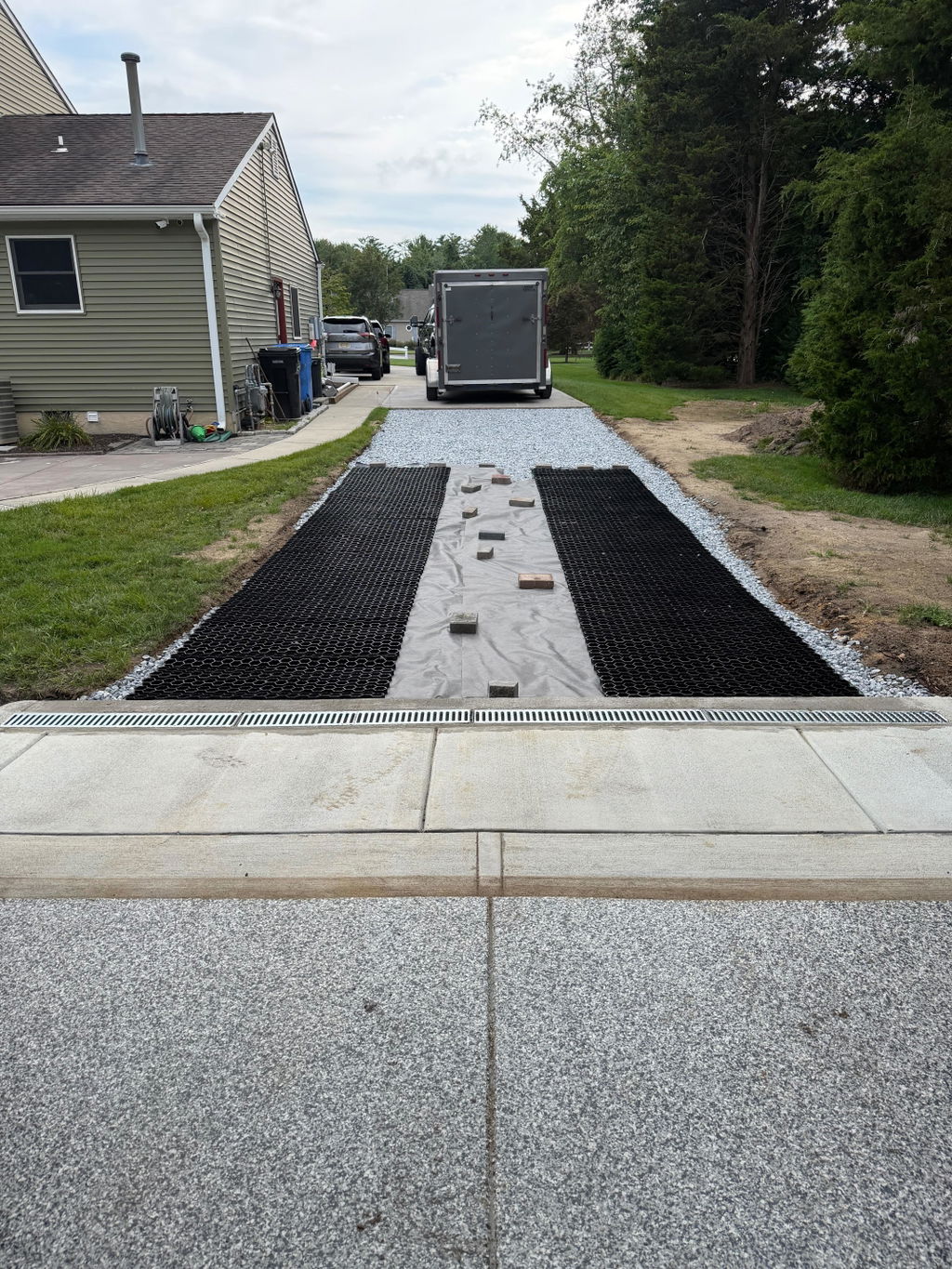
A roll-out honeycomb grid with attached geotextile fabric that confines stone — reducing rutting, washouts, and spreading, while staying permeable so water drains through.
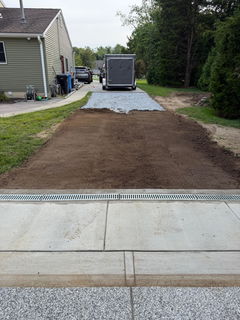
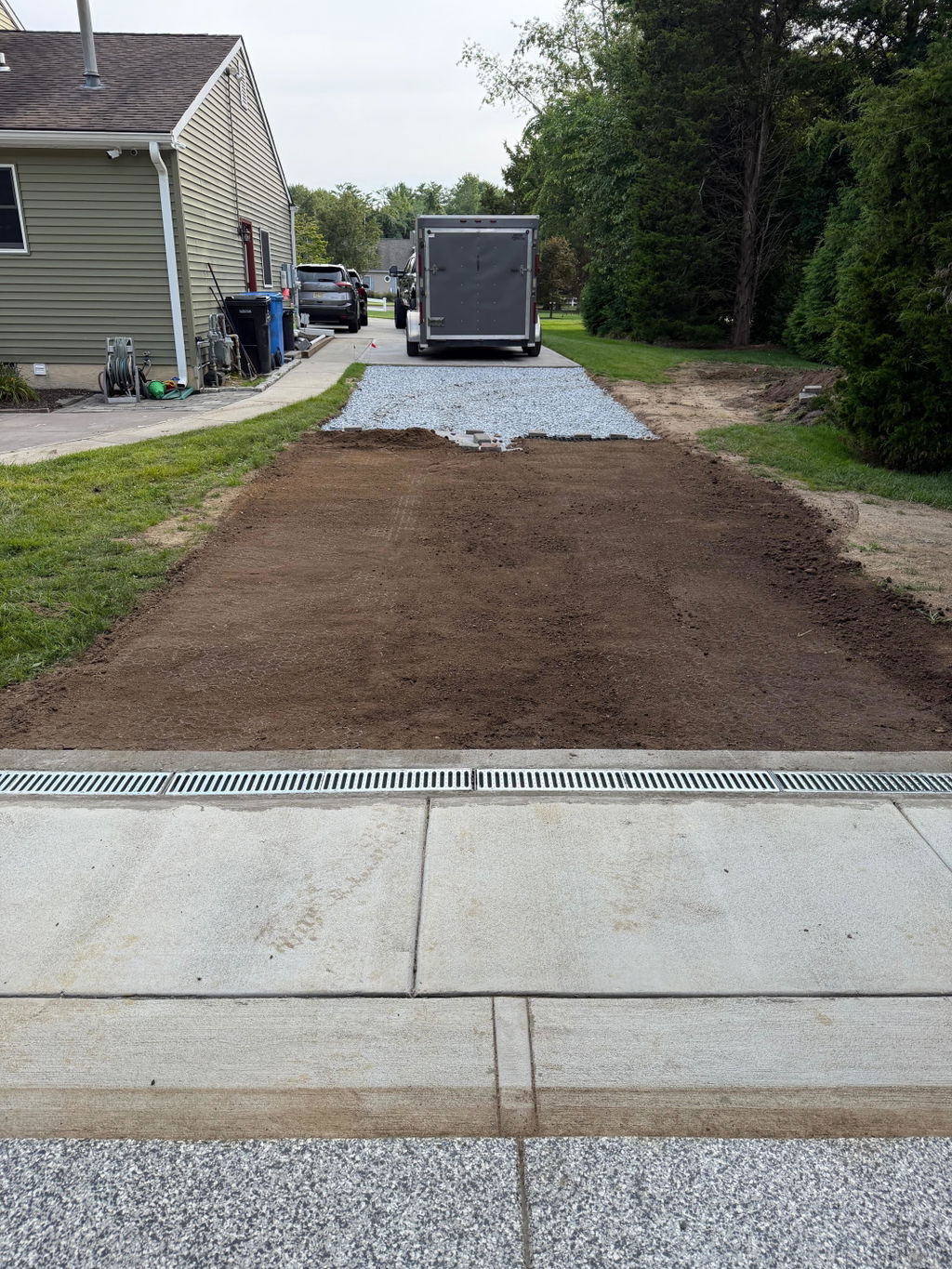
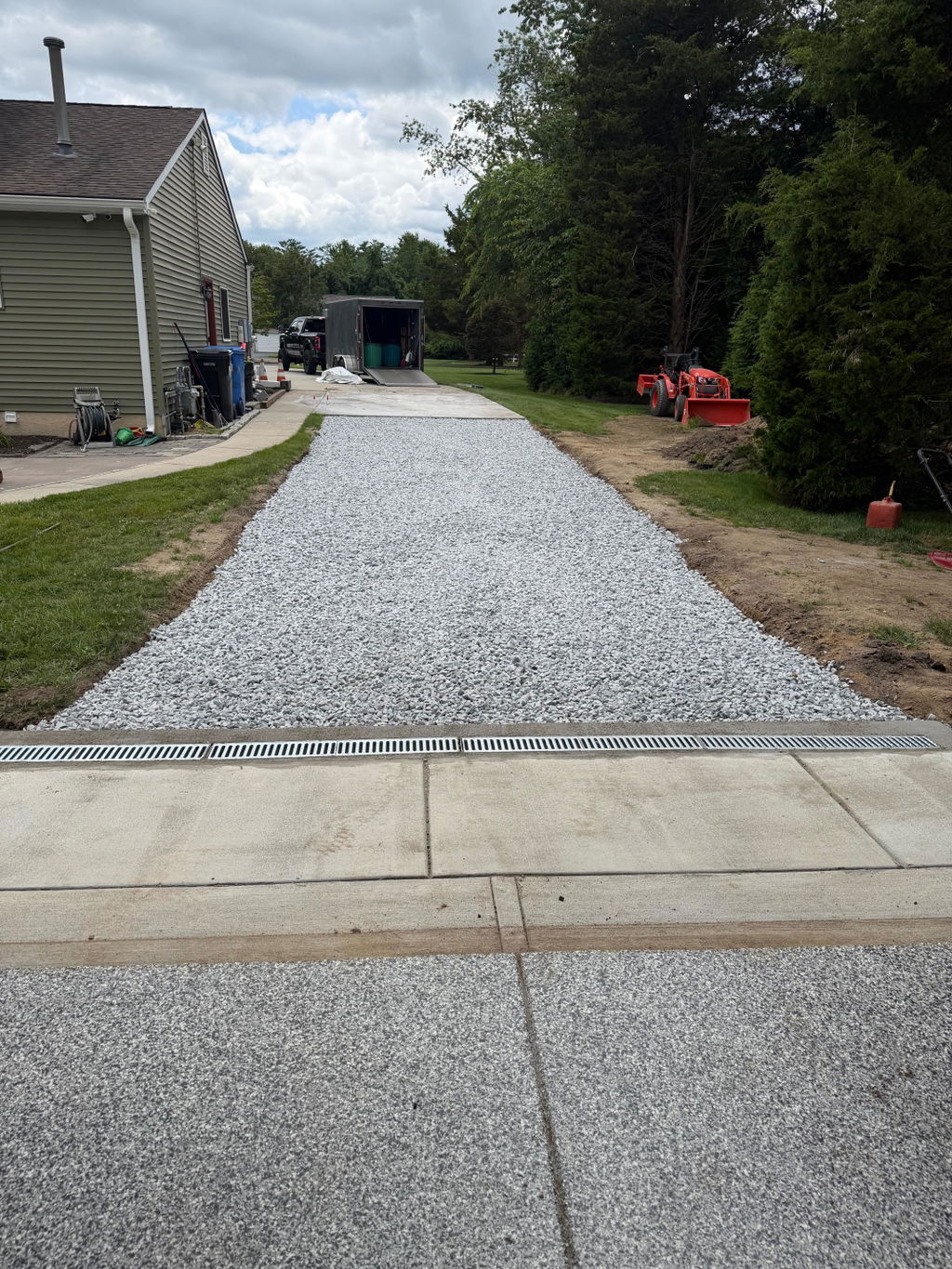
NDS Gravel Pavers are an ultra-strong hexagonal-cell rolled paver used to reduce erosion and maintain the look and functionality of gravel roads or parking lots. The roll-out grid confines stone so tires can't push it aside — turning loose gravel into a flatter, cleaner, more drivable surface that still drains like gravel.
Not sure how much you need? The Permeable Paver Selector and a quick takeoff help you plan rolls, base depth, and fill stone.
The honeycomb cells lock gravel in place so tires don't push it aside or dig in.
The attached geotextile fabric helps keep stone from sinking into the base and disappearing.
The surface stays permeable, so stormwater infiltrates through the structure instead of puddling.
It rolls out quickly — ideal for long straight runs like drive lanes and service roads.
| Spec | What it is | Why it matters |
|---|---|---|
| Roll coverage | ~3.87' × 149' roll (about 577 sq ft per roll) | Helps you estimate rolls quickly for long drive lanes and parking areas. |
| Grid height | ~1" tall honeycomb cells | Cell depth is what “holds” gravel in place and reduces shifting under tires. |
| Load capability | Designed to support heavy vehicles when properly installed | The base build (depth + compaction) is what turns the grid into a road-ready surface. |
| Anchors / stakes | Includes steel anchors for securing the roll | Anchoring prevents movement during filling and helps keep edges tight over time. |
| Permeable surface | Open cells + porous fabric allow infiltration | Reduces runoff and puddling compared to compacted gravel alone. |
Cars / pickups / medium loads: plan a minimum 6" base and keep slope at or below 10%. Fire-truck / H-20 / heavy loads: plan a minimum 8" base and keep slope at or below 6%. These assume proper compaction and a suitable subgrade — increasing base depth is the simplest upgrade for poor soils or heavy traffic.
Excavate to the required depth (base + 1" grid + gravel cover). Compact native soils before placing base, and use geotextile separation when needed on soft soils to keep the base from sinking.
Place base aggregate in lifts and compact thoroughly. Grade the base smooth — your finished surface follows this plane. Set elevations so the filled grid ends at your target finished grade.
Roll the pavers out fabric-side-down on the prepared base. Set one roll first, then pull the next snug against it. Anchor/stake to prevent shifting during fill.
Use clean, angular stone for best lock-up (round pea gravel tends to migrate). A common target is 3/8" clean crushed gravel (often AASHTO #6 or similar). Work gravel into the cells and top off so the grid is fully supported.
Top-dress if needed after initial settlement. Keep edges contained (edging/border helps long-term). Periodically inspect for damage and replace sections if required.
EZ Marker is a clip-in delineator that snaps into empty honeycomb cells after the grid is installed — a clean way to "paint lines" on gravel without paint.
If the base is too thin or poorly compacted, the surface still ruts — the grid can't fix a weak foundation. Match base depth to load and compact in lifts.
Rounded stone migrates and feels loose. Clean, angular gravel locks together better and stays put in the cells.
Anchors keep rolls from walking during fill and help edges stay tight. Align rolls snugly before staking.
Gravel surfaces last longer when edges are contained. A border/edging reduces lateral spread and keeps the install looking sharp.
✔ Free shipping on all orders (standard ground). NDS orders typically ship same day when placed before 12:00 noon EST.
☏ Call (800) 621-5381 for pricing, takeoffs, and base/layout help.
Match rolls and base to your job in minutes — then order with free shipping.