Skip to content
FREE SHIPPING ON ALL ORDERS

Cable Tray Plastic Sheet

$232.72


FREE SHIPPING
SKU LV-12-30-100
View spec sheet

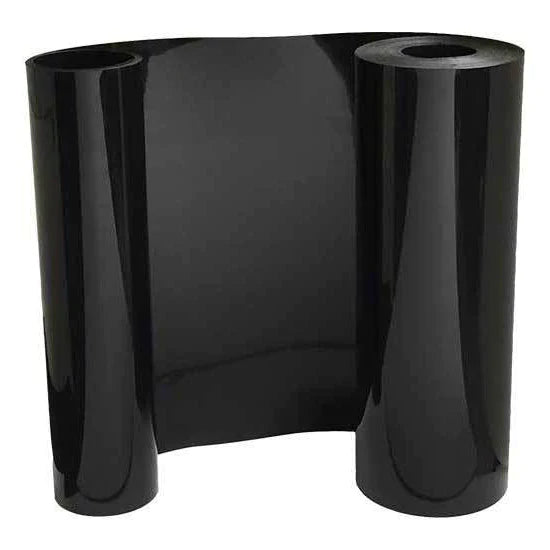
Our Cable Tray Plastic Sheet is designed to provide a solid surface for the bottom of cable trays. This helps to prevent the snagging of cables and wiring. The high density polyethylene plastic (HDPE) provides a smooth surface which allows for the easy passing of cabling and is flexible, allowing the plastic to conform to various tray features. The material is easily cut with a utility knife which makes customizing the liner to various cutouts and openings simple and straight forward. 

Available in both 30 mil and 40 mil thicknesses, our cable tray liner is available in a wide variety of roll widths ranging from 18” - 48” and in 100’ roll lengths. Our liner is made in the USA and ships from Kansas City.


Frequently Asked Questions

*The widest HDPE roll that we offer is currently 8’ (96 inches).

Please note that we are unable to provide custom roll lengths.

Plastic Sheeting

  • Material: High Density Polyethylene
  • Texture: Smooth
  • Size: Various
  • Need a Written Quote? Request Online >
  • Volume Pricing on Orders $6,500+
  • Questions? Call (800) 621-5381
  • FREE SHIPPING

Product Features

  • Waterproof
  • Commercial Grade
  • UV Resistant
  • Will Not Rot or Mildew
  • Non-Biodegradable
  • Non-Resistant to Rodent and Insect Damage
  • 100 Year Material Lifespan
  • Made in the USA

Connecting HDPE Pieces

There are two ways to connect multiple pieces of HDPE together. One method is to overlap the HDPE and use our double sided seam tape to connect the two pieces. The other method is to butt the ends together and use our 17 mil single sided seam tape to create a solid connection.

hdpe-tape_x700__PID:4c8fa401-60db-429d-8466-7ab1567455d417-mil-HDPE-seam-tape-.jpg__PID:d29d8466-7ab1-4674-95d4-6009217cdb46

Overlap Method
(for underground installations)

The overlap method is best used when connecting two pieces of HDPE in a buried application. Due to the overlap, a ridge is exposed which is not ideal when installed in exposed vertical or flat installations in high traffic areas as there is a possibility of an object catching on the ridge and pulling the two pieces apart.

In a below ground installation, the large overlap area provides a more water resistant connection as well as enhanced protection against tree and plant root intrusion.

View Tape Pricing and Seaming Instructions >

End to End Method
(for exposed installations)

When installing HDPE on a wall, floor or anywhere that is exposed, the end to end method provides a secure connection and does not leave any ridges exposed to potential catching by a person or object.

View Tape Pricing and Seaming Instructions >

Shipping

  • Ships Free (standard ground, see map)
  • Expedited shipping only available on orders over $2,000

Shipping estimates shown on the map pertain to this specific product only. HDPE orders typically ship same day if the order is placed before 12:00 noon CST. Transit times displayed in the map are listed in business days, and are approximate. Transit times are subject to stock levels at regional warehouses. The day that the order is shipped is not counted as a transit day.

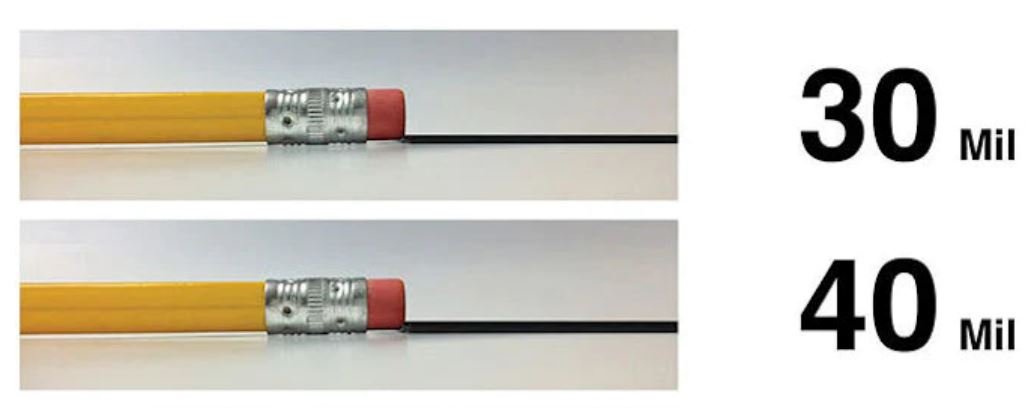
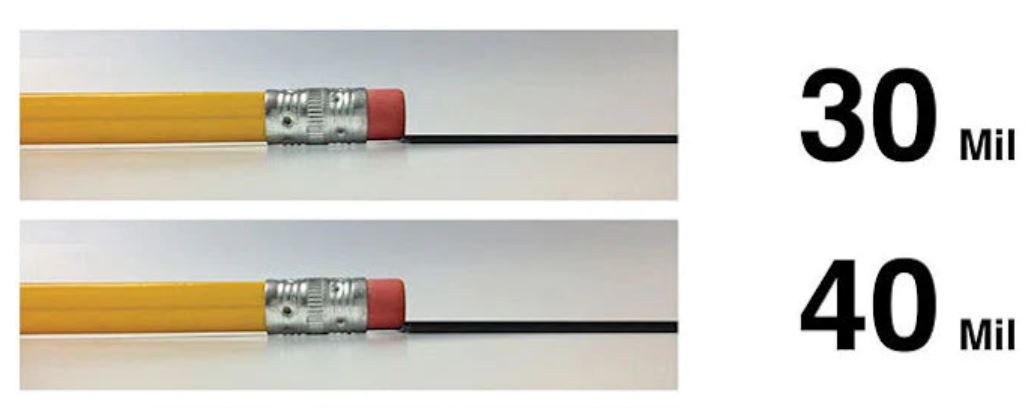
Thickness comparison

The below is a thickness comparison of the material. HDPE plastic thickness is measured in "mils" which is "thousands of an inch".

hdpe pencil.JPG__PID:6f5d5f3b-1378-463b-bc40-e19a246bb92b
HDPE Barrier Tape - Moisture Resistant

HDPE Barrier Tape - Moisture Resistant

$29.99
HDPE Cable Tray Plastic Sheet

Cable Tray Plastic Sheet for Smooth Cable Management

Cable trays provide an efficient way to route, support, and organize cables throughout commercial and industrial facilities. Open-style cable trays offer easy access to wiring, but the openings, cross members, seams, and other tray features can create an uneven surface beneath the cables. Adding a cable tray plastic sheet creates a smooth, continuous surface that can make cable installation and organization easier.

What Is Cable Tray Plastic Sheet?

Cable tray plastic sheet is flexible material installed along the bottom of a cable tray to create a solid surface beneath the cables. Longview Supply cable tray plastic sheet is manufactured from high density polyethylene, commonly known as HDPE.

The smooth HDPE surface separates cables from the open structure of the tray and provides a more consistent surface for cables to rest on or move across during installation.

Because the material is supplied in rolls rather than rigid panels, it can be easily cut and customized for different tray dimensions, bends, fittings, openings, and other installation requirements.

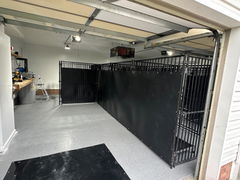
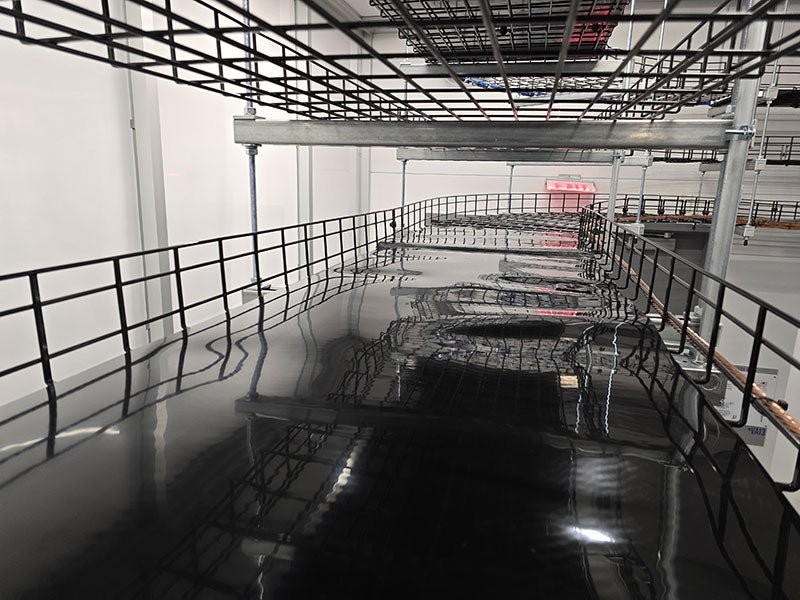
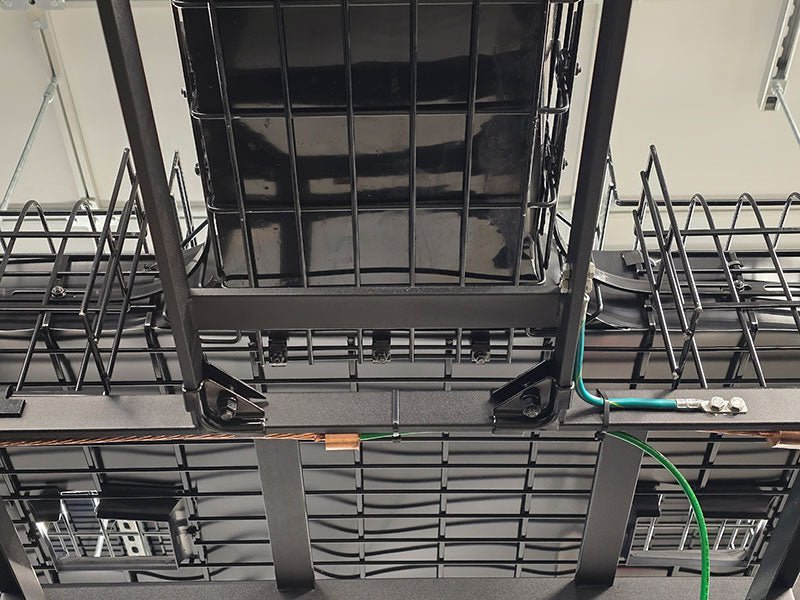
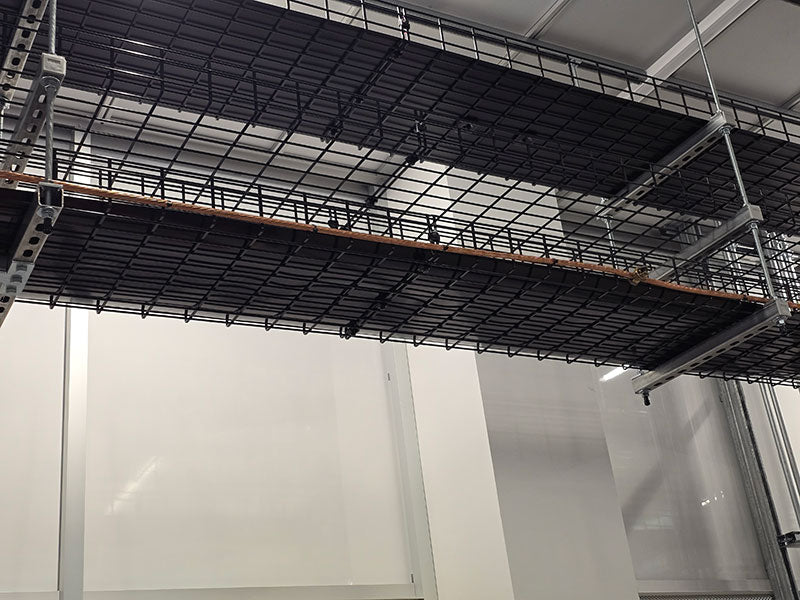
Plastic lining a cable tray
Cable tray lined with HDPE

Creating a Smooth Cable Tray Surface

One of the primary reasons for installing plastic sheet inside a cable tray is to reduce the number of openings and contact points encountered by cables.

In open wire and other tray designs, smaller cables can settle into openings or come into contact with cross members as they are being installed. Adding a smooth HDPE sheet along the bottom of the tray creates a continuous surface that can help cables move more easily during placement or pulling.

The solid surface can also help contain smaller wires and cables that might otherwise pass through larger openings in the cable tray.

Flexible HDPE for Field Installation

HDPE provides a useful combination of flexibility and durability for cable tray lining applications. The material can conform to many common tray configurations while remaining easy to work with at the jobsite.

Cable tray plastic sheet can be cut with a utility knife or other appropriate cutting tool. This allows installers to trim the material around bends, supports, fittings, junctions, transitions, and other tray features.

Longview Supply offers cable tray plastic sheet in both 30 mil and 40 mil thicknesses. Multiple roll widths ranging from 18 inches to 48 inches are available to accommodate different cable tray dimensions. Standard rolls are 100 feet long, making the material well suited for extended cable tray runs.

Planning Your Cable Tray Installation

Before installing plastic sheet, measure the inside width of the cable tray and identify any areas where the material will need to be trimmed or fitted around tray components.

The HDPE should be positioned to create a smooth surface along the bottom of the tray without interfering with the intended operation of the cable management system.

When more than one piece is required, sections can be cut and fitted according to the requirements of the installation. The appropriate method of positioning, securing, or joining the material will depend on the tray design and project requirements.

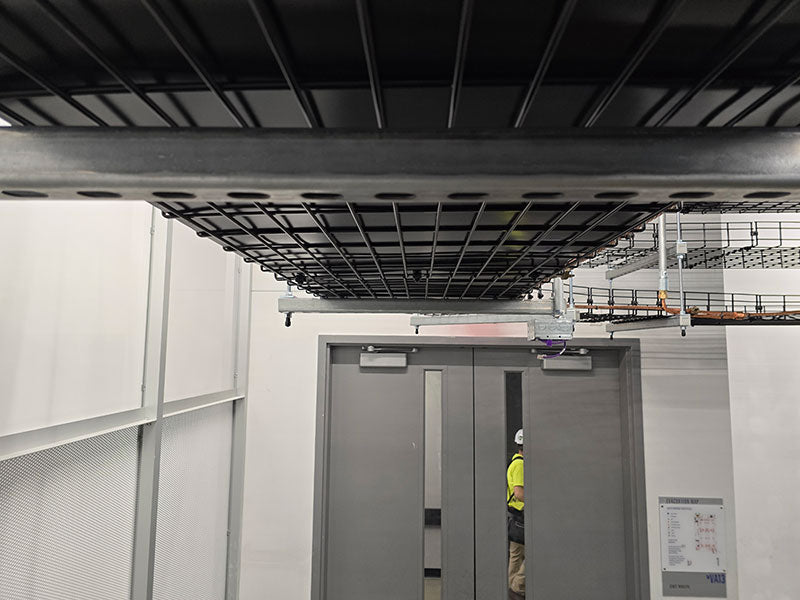
Lining for a cable tray

Common Cable Tray Plastic Sheet Applications

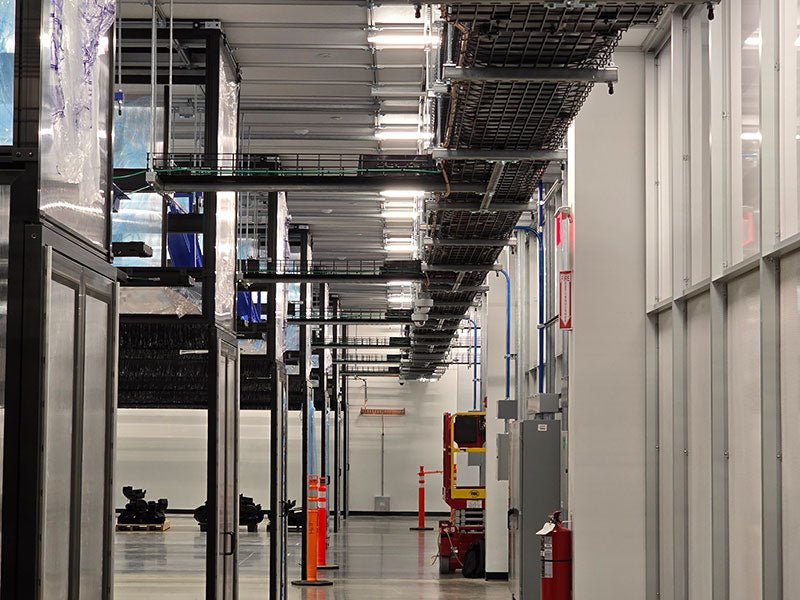
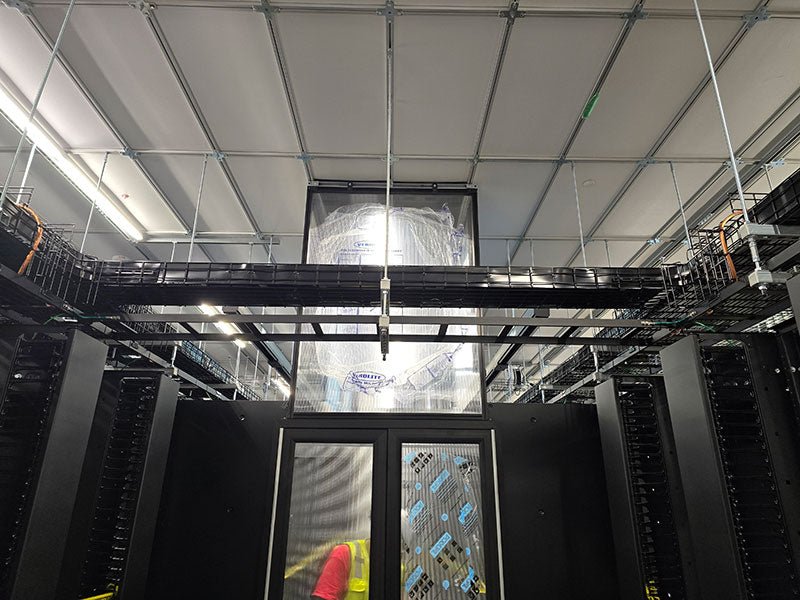
HDPE cable tray plastic sheet can be used in a variety of commercial and industrial cable-management applications where a smooth, solid surface is desired within an open cable tray.

Potential applications include manufacturing facilities, warehouses, equipment rooms, commercial buildings, utility areas, telecommunications installations, and other facilities that use open-style cable tray systems.

Choosing the Right Cable Tray Plastic Sheet

Selecting the appropriate material begins with determining the dimensions of the cable tray and the thickness required for the project. Longview Supply offers multiple widths along with both 30 mil and 40 mil HDPE options, allowing installers to select material that fits a variety of tray configurations.

IMPORTANT APPLICATION INFORMATION

This product is general-purpose HDPE sheet material. It is not represented or certified as flame-retardant, fire-rated, plenum-rated, or low-smoke material. The purchaser, designer, and installer are responsible for determining whether the product is appropriate for the specific application and complies with applicable project specifications, codes, and installation requirements.